

Loading. Please wait...


DentalCare monthly updates

NEWS AND ANNOUNCEMENTS

Quisque eget sem urna. Donec at vestibulum nibh, non bibendum est. Curabitur eget tincidunt eros.


sleep-apneo-2.jpg

Sleep isn’t just about rest; it’s a cornerstone of your health. But for those with untreated sleep apnoea, sleep becomes a silent battleground. This common yet underestimated condition causes your breathing to stop and start repeatedly throughout the night, disrupting rest and endangering your health in ways you might not realize.

In addition to fragmented and poor-quality sleep, the most significant concern with untreated severe sleep apnoea is the increased risk of serious cardiovascular issues. These include heart attacks, strokes, and right heart failure, all of which can result from prolonged periods of low oxygen saturation during sleep.

Here’s what happens when sleep apnoea goes untreated:

1. Your Heart Pays the Price

Sleep apnoea puts immense stress on your cardiovascular system. The repeated pauses in breathing lower oxygen levels and force your heart to work harder. Over time, this increases the risk of:

  • High blood pressure (hypertension)
  • Heart attacks
  • Irregular heartbeats (arrhythmias)
  • Stroke

Each disrupted night puts your heart in harm’s way.

2. Fatigue Becomes a Constant Companion

Untreated sleep apnoea fragments your sleep cycle, leaving you exhausted no matter how long you stay in bed. This persistent fatigue affects your ability to focus, work, and enjoy life. It’s also a major risk factor for accidents at work or on the road.

3. Your Brain Takes a Hit

The oxygen dips and sleep interruptions caused by sleep apnoea don’t just tire you out; they can impair cognitive functions. Memory problems, difficulty concentrating, and even an increased risk of dementia are linked to untreated sleep apnoea.

4. Your Metabolism Slows Down

Sleep apnoea can disrupt hormones that regulate hunger and weight, making it harder to lose weight and increasing the risk of obesity. Left unmanaged, it may contribute to insulin resistance and type 2 diabetes.

5. Your Mood Suffers

Sleep and emotional well-being are closely connected. The strain of untreated sleep apnoea can lead to irritability, anxiety, and even depression. Over time, this can take a toll on your relationships and quality of life.

6. Silent Strain on Your Body

Untreated sleep apnoea causes chronic inflammation, a known contributor to various diseases. It can weaken your immune system and make it harder for your body to heal and fight infections.

Don’t Ignore the Warning Signs

Symptoms of sleep apnoea can be subtle but include:

  • Loud, chronic snoring
  • Gasping or choking during sleep
  • Morning headaches
  • Persistent fatigue
  • Difficulty concentrating

If you recognize these signs, it’s time to act.

Treatment Offers New Hope

The good news? Sleep apnoea is treatable. From lifestyle changes and CPAP machines to dental devices and surgical options, there are solutions tailored to your needs. Early intervention can prevent the cascade of health issues linked to this condition and restore the quality sleep your body craves.

Sleep Apnoea is Treatable—Don’t Wait

Untreated sleep apnoea is more than a sleep issue—it’s a health crisis in disguise. If you suspect you or a loved one might be affected, seek professional advice. The sooner you address it, the better your chances of reclaiming restful nights and a healthier life.

Sleep shouldn’t be a danger zone. Take action today, and let every night be a step toward better health.



sleep-apneoa-1.jpg

While most patients with sleep apnoea present with noticeable symptoms, such as snoring or daytime sleepiness, some individuals, especially those with severe sleep apnoea, may have dangerously low oxygen saturation levels at night without displaying any obvious signs. Women, in particular, often present with fatigue rather than classic sleep apnoea symptoms.

Sleep apnoea often goes unnoticed, earning it the title of a “silent disease.” But its impact on your health is far from quiet. Affecting millions worldwide, this common yet underdiagnosed condition disrupts your breathing while you sleep, leading to serious health risks if left untreated.

What is Sleep Apnoea?

Sleep apnoea occurs when your airway becomes blocked or collapses during sleep, causing repeated pauses in breathing. These interruptions, which can last seconds or even minutes, often go unnoticed by the person affected. However, the brain is forced to wake you partially to restart breathing, fragmenting your sleep cycle.

Symptoms to Watch For

Since you’re asleep when the pauses occur, many people remain unaware they have sleep apnoea. Common symptoms include:

  • Loud snoring
  • Daytime fatigue or drowsiness
  • Morning headaches
  • Difficulty concentrating
  • Mood changes or irritability

If left untreated, the condition can lead to severe complications such as high blood pressure, heart disease, diabetes, and even strokes.

The Hidden Danger

One of the most alarming aspects of sleep apnoea is its subtlety. Often dismissed as mere snoring or blamed on stress, it continues to affect your health in the background. Over time, untreated sleep apnoea strains your heart and limits oxygen supply to vital organs, silently compromising your well-being.

Diagnosis and Treatment

The good news? Sleep apnoea is treatable. Advances in technology have made diagnosis easier than ever, with at-home sleep studies offering a convenient alternative to traditional lab tests. Once diagnosed, treatment options include lifestyle changes, Continuous Positive Airway Pressure (CPAP) therapy, oral devices, and in some cases, surgery.

Why Early Diagnosis Matters

Ignoring sleep apnoea doesn’t just affect your sleep quality; it jeopardizes your long-term health. Early intervention not only restores restful sleep but also protects your overall well-being.

Take Action Today

If you or someone you know exhibits symptoms of sleep apnoea, don’t wait. Speak to a healthcare professional and explore testing options. Your sleep—and your health—deserve attention.

Sleep apnoea may be silent, but its consequences are loud and clear. Recognize the signs, take action, and reclaim the restful sleep your body needs.


Brown-Minimalist-Lifestyle-Daily-Vlog-YouTube-Thumbnail-14.jpg

If you’re scheduled for a bronchoscopy or simply curious, one of the top questions is often, “How long does the procedure take?” Understanding the timeline for a bronchoscopy can make the process feel more manageable and give you a better idea of what to expect from start to finish.

The Short Answer: About 30 to 60 Minutes

The bronchoscopy procedure itself usually takes between 30 and 60 minutes. However, the total time at the medical facility will be a bit longer due to preparation, sedation, and post-procedure recovery. Here’s a breakdown of each stage to give you a clear picture.

Stage 1: Pre-Procedure Preparation (15-30 Minutes)

Once you arrive at the clinic or hospital, there are a few steps to prepare:

  • Check-In and Prep: You’ll review any necessary paperwork and get briefed on the procedure. This is also a great time to ask any questions!
  • Sedation and Anesthesia: To make the experience comfortable, you’ll receive a mild sedative to help you relax. A local anesthetic will also be applied to numb your throat, reducing discomfort when the bronchoscope is inserted. This preparation usually takes around 15-30 minutes.

Stage 2: The Bronchoscopy Procedure (30-60 Minutes)

With the anesthetic in place, the actual bronchoscopy begins:

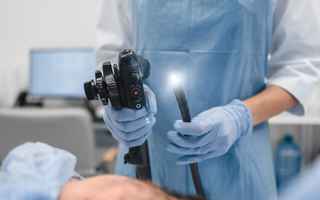
  • Insertion and Exploration: Using a thin, flexible tube with a camera at the end (the bronchoscope), your doctor will carefully insert it through your nose or mouth and guide it down to your airways. The camera provides a real-time view of your lungs and airways, allowing for a detailed examination.
  • Sample Collection (if needed): During the procedure, your doctor might take small tissue or fluid samples if needed for further testing. This can add a few extra minutes, but it’s typically quick and painless.

The doctor will carefully examine the area and take any necessary notes, ensuring everything is covered for accurate results. Most bronchoscopies wrap up in about 30-60 minutes.

Stage 3: Post-Procedure Recovery (1-2 Hours)

Once the procedure is complete, you’ll spend a bit of time in recovery. Here’s what to expect:

  • Observation: Medical staff will monitor you as the sedative wears off to make sure you’re comfortable and recovering smoothly. Expect to stay in the recovery room for about an hour.
  • Eating and Drinking: You may be advised to wait 1-2 hours before drinking or eating to ensure the throat anesthetic has worn off fully. After that, you can resume light eating and drinking as directed.

Total Time Commitment: About 2-3 Hours

All in all, you can expect to be at the facility for approximately 2-3 hours. This includes preparation, the procedure, and a brief observation period afterward. It’s a fairly straightforward process, and most patients are able to go home the same day, often resuming regular activities within 24 hours.

Final Thoughts: Planning Ahead for a Smooth Experience

  • Arrange a Ride Home: Because of the sedative, it’s recommended to have someone drive you home.
  • Take the Rest of the Day Off: Plan for some light rest afterward, and avoid any strenuous activities for at least a day.
  • Follow Aftercare Instructions: Your doctor will provide instructions on managing any mild soreness or cough.

Knowing the timing for a bronchoscopy can help you feel more prepared and relaxed about the process. It’s a quick, minimally invasive procedure with potentially big benefits for your lung health!


Brown-Minimalist-Lifestyle-Daily-Vlog-YouTube-Thumbnail-13.jpg

One of the most common questions after a bronchoscopy is, “How soon can I eat?” After a medical procedure, it’s natural to want a return to normal, but it’s essential to know when it’s safe to enjoy your favorite meals again. Here’s what you need to know about post-bronchoscopy eating and why timing matters.

Why the Wait?

During a bronchoscopy, a local anesthetic is used to numb your throat, which makes the procedure comfortable and reduces discomfort. However, the numbing effect can temporarily dull the gag reflex, increasing the risk of choking or aspiration if you eat or drink too soon. Allowing your throat and reflexes time to “wake up” is crucial for safety.

How Long Should You Wait?

Typically, doctors recommend waiting 1 to 2 hours after a bronchoscopy before having any food or drinks. After that, you can start by sipping small amounts of water and gradually work your way up to soft foods.

Signs You’re Ready to Eat

Before diving into a meal, check these cues:

  • No Numbness: Ensure the numbness in your throat has worn off completely.
  • No Cough Reflex Suppression: Gently clear your throat to check if your gag reflex feels normal.
  • Comfortable Swallowing: If swallowing feels easy and pain-free, you’re likely good to go.

What to Eat First?

After the wait, it’s best to start with light, soft foods like yogurt, soup, applesauce, or oatmeal. Avoid anything too hot, spicy, or acidic as your throat might still be a bit sensitive. Once you’re feeling back to normal, you can resume your regular diet.

Final Tips for a Comfortable Recovery

  • Stay Hydrated: Keep sipping water to stay hydrated and soothe your throat.
  • Avoid Alcohol and Caffeine: These can irritate your throat, so it’s best to skip them for at least 24 hours.
  • Monitor for Side Effects: A mild sore throat or cough is normal, but if you notice persistent pain or difficulty breathing, reach out to your healthcare provider.

Eating after a bronchoscopy is something to look forward to, but remember that patience is key! Taking these small steps ensures a smooth recovery so you can get back to feeling your best.


Untitled-design-2-1.jpg

When people hear “bronchoscopy,” their minds often go straight to discomfort, assuming it’s a painful procedure. But that couldn’t be further from the truth! Bronchoscopy is a minimally invasive way for doctors to look deep into your lungs, and it’s designed to be as comfortable as possible for patients. Let’s dive into why this myth exists and what you can really expect if you ever need a bronchoscopy.

Why Do People Think Bronchoscopy is Painful? 😣

It’s natural to feel a bit anxious about any medical procedure that involves a tube or camera, especially when it’s related to breathing or the airways. People often imagine the worst, thinking it must be uncomfortable or even painful. But thanks to medical advances, bronchoscopy has evolved into a safe, comfortable, and effective tool for diagnosing lung issues.

The Real Deal: What Does a Bronchoscopy Feel Like?

Before the procedure even begins, most patients receive a mild sedative to help them relax. The doctor will also apply a local anesthetic to numb the nose, throat, or mouth (wherever the scope will be inserted). This numbing helps make the procedure nearly painless! While some patients might feel a bit of pressure or a sensation like they need to cough, this is temporary and not typically painful.

The actual bronchoscope—a thin, flexible tube with a tiny camera on the end—is carefully guided into the airways, allowing the doctor to see any inflammation, infection, or irregularities. And because the scope is so small and flexible, it’s designed to move gently within the airways without causing pain.

How Long Does Discomfort Last?

For most people, any discomfort is mild and temporary. After the procedure, you might experience a sore throat, mild cough, or hoarse voice, but these symptoms usually disappear within a day or two. Your healthcare team will guide you on any aftercare instructions to help you recover smoothly and quickly.

Why is Bronchoscopy Worth It?

Bronchoscopy isn’t just about diagnosis; it can help patients breathe better and even treat certain conditions on the spot. By identifying and addressing issues early on, bronchoscopy can prevent more serious complications, save lives, and improve quality of life—all with minimal discomfort.

Tips for a Comfortable Experience

  1. Ask Questions: Understanding the procedure can reduce anxiety and make it easier to relax.
  2. Share Any Concerns with Your Doctor: If you’re nervous, let your medical team know. They’re there to make you as comfortable as possible.
  3. Follow Pre-Procedure Guidelines: Following your doctor’s instructions will help ensure a smooth experience, from preparing for sedation to any dietary guidelines.

Final Thoughts: Bronchoscopy is Far Less Scary than it Sounds

Bronchoscopy is an incredible tool that has helped thousands of people understand and improve their lung health with little to no pain. Don’t let outdated myths keep you from getting the care you need! Embrace the facts, speak openly with your doctor, and take comfort in knowing that bronchoscopy is safe, effective, and, most importantly, comfortable.

If you have questions or want to know more, reach out to a healthcare provider to get the facts firsthand. And remember—sometimes, the path to breathing easier begins with understanding that there’s nothing to fear.


Brown-Minimalist-Lifestyle-Daily-Vlog-YouTube-Thumbnail-12.jpg

Lung cancer is a leading cause of cancer-related deaths worldwide, yet it receives surprisingly little attention in the public eye. One of the reasons for this disconnect lies in the nature of its symptoms, which can be strikingly obvious yet often dismissed or not taken seriously.

The Alarming Reality of Symptoms

Patients with lung cancer frequently experience symptoms like persistent cough, chest pain, and shortness of breath. These signs are hard to ignore and often lead individuals to seek medical help. However, the very visibility of these symptoms can result in them being downplayed. People may attribute these issues to smoking or general health problems, believing that they are simply the consequences of lifestyle choices rather than serious warning signs of cancer.

This attitude can delay diagnoses and treatment. When individuals report clear symptoms, they may be met with skepticism, leading to a frustrating cycle where their concerns are brushed aside. This can be especially disheartening for non-smokers, who may find their symptoms trivialized due to the prevailing stigma around lung cancer.

The Stigma of Blame

The misconception that lung cancer primarily affects smokers further complicates the issue. The narrative that lung cancer is a self-inflicted condition fosters an environment where patients feel they must justify their illness. This stigma not only affects how society views lung cancer but also impacts how patients perceive their own condition.

For those experiencing significant symptoms, the added burden of societal judgment can lead to emotional distress. Instead of receiving support, patients may feel isolated or ashamed, reinforcing the notion that their symptoms are not serious enough to warrant concern.

Shifting Perspectives

To address these issues, we need to shift how we think about lung cancer and its symptoms. Here are a few ways to foster understanding and compassion:

  1. Educate on Symptoms: Awareness campaigns should emphasize that obvious symptoms of lung cancer deserve immediate attention and should not be dismissed as typical health issues. Education about the realities of lung cancer can empower patients to advocate for themselves.
  2. Encourage Prompt Action: Medical professionals should be trained to take all reports of respiratory symptoms seriously, regardless of a patient’s smoking history. This can lead to earlier diagnoses and better treatment outcomes.
  3. Support Non-Smokers: It’s essential to highlight that lung cancer does not discriminate. By focusing on the fact that many lung cancer patients are non-smokers, we can combat the stigma and encourage a broader understanding of the disease.

Conclusion: A Call for Compassion

Lung cancer’s obvious symptoms should be taken seriously, yet the prevailing attitudes often lead to misunderstanding and neglect. By changing the narrative and fostering open conversations, we can ensure that patients are listened to, believed, and supported. It’s time to recognize that lung cancer is a serious disease that can affect anyone, and every symptom deserves attention and compassion. Let’s work together to give lung cancer the understanding it truly needs, so patients don’t have to fight this battle alone.


Brown-Minimalist-Lifestyle-Daily-Vlog-YouTube-Thumbnail-11.jpg

When you hear “lung cancer,” what’s the first image that comes to mind? For many, it’s a smoker—perhaps someone with a cigarette dangling from their lips, eyes clouded with the haze of smoke. This stereotype is so ingrained in our society that it raises an intriguing question: Does lung cancer only affect smokers? The answer might surprise you!

Unraveling the Myths

The belief that lung cancer is solely a smoker’s disease is not just a simplification; it’s a dangerous misconception. While smoking is the leading cause of lung cancer, responsible for approximately 85% of cases, it’s crucial to recognize that non-smokers can develop lung cancer too. In fact, nearly 20% of lung cancer cases occur in people who have never smoked.

The Hidden Dangers for Non-Smokers

So, what are the factors contributing to lung cancer in non-smokers? Here are some lesser-known culprits:

  1. Secondhand Smoke: Even if you don’t smoke, being around those who do can significantly increase your risk. Secondhand smoke contains over 7,000 chemicals, many of which are toxic and carcinogenic.
  2. Radon Exposure: This naturally occurring radioactive gas can seep into homes, particularly those with poor ventilation. Radon is the second leading cause of lung cancer, after smoking, and testing for it is crucial for any homeowner.
  3. Environmental Toxins: Exposure to certain pollutants and chemicals, such as asbestos, arsenic, and diesel exhaust, can raise your lung cancer risk. Occupations that involve exposure to these toxins can be particularly hazardous.
  4. Genetics: Family history plays a role in lung cancer risk. Certain genetic mutations can increase susceptibility to developing the disease, regardless of smoking history.
  5. Chronic Lung Diseases: Conditions such as chronic obstructive pulmonary disease (COPD) or pulmonary fibrosis can elevate the risk of lung cancer. Inflammation and damage to lung tissue can create an environment conducive to cancer development.

The Urgency of Awareness

Understanding that lung cancer isn’t exclusive to smokers is crucial for awareness and prevention. It emphasizes the importance of regular check-ups, especially for those with risk factors. Symptoms like persistent coughing, unexplained weight loss, and shortness of breath should never be ignored, regardless of your smoking status.

The Role of Screening

If you’re a non-smoker or someone who has quit, don’t assume you’re out of the woods. Low-dose CT scans are available for high-risk individuals, including non-smokers with a family history of lung cancer or exposure to environmental toxins. Early detection can make all the difference in treatment outcomes.

Conclusion: Break the Stigma

It’s time to break the stigma surrounding lung cancer. Let’s shift the narrative from one that solely blames smokers to a more comprehensive understanding of this complex disease. Everyone, regardless of smoking history, should be educated about their risk and proactive in seeking medical advice.

By raising awareness and challenging misconceptions, we can create a healthier society where everyone understands their risk factors and takes steps towards prevention—whether they light up or not. So, the next time you think of lung cancer, remember: it can affect anyone. Are you ready to join the fight against this pervasive disease?


Brown-Minimalist-Lifestyle-Daily-Vlog-YouTube-Thumbnail-9.jpg

Lung cancer remains one of the most prevalent and deadly cancers worldwide, but the question on many minds is: can it be prevented? While not all cases of lung cancer can be avoided, significant strides can be made in reducing the risk. This blog post delves into the risk factors for lung cancer, prevention strategies, and the importance of early detection.

Understanding Lung Cancer Risk Factors

To effectively prevent lung cancer, it’s essential to understand the risk factors associated with the disease. Some of the primary contributors include:

  1. Smoking: The most significant risk factor for lung cancer, accounting for approximately 85% of cases. The harmful chemicals in tobacco smoke can damage lung cells, leading to cancerous growth.
  2. Secondhand Smoke: Non-smokers exposed to secondhand smoke are also at increased risk. Living with or working around smokers can significantly elevate the risk of developing lung cancer.
  3. Radon Exposure: Radon is a naturally occurring radioactive gas that can accumulate in homes, especially in basements. Long-term exposure to radon is a leading cause of lung cancer among non-smokers.
  4. Occupational Hazards: Certain professions expose workers to carcinogenic substances, such as asbestos, arsenic, and diesel exhaust. Prolonged exposure to these chemicals can increase lung cancer risk.
  5. Family History: Genetics play a role in lung cancer risk. Individuals with a family history of lung cancer may have a higher susceptibility to the disease.
  6. Previous Lung Diseases: Conditions such as chronic obstructive pulmonary disease (COPD) or pulmonary fibrosis can increase the risk of lung cancer, highlighting the importance of managing these diseases effectively.

Preventive Strategies

While not every case of lung cancer can be prevented, several proactive steps can significantly reduce your risk:

  1. Avoid Smoking: If you smoke, seek help to quit. Numerous resources, including counseling and medications, can assist in cessation efforts. For non-smokers, avoiding smoking entirely is the most effective way to prevent lung cancer.
  2. Reduce Exposure to Secondhand Smoke: Create smoke-free environments at home and work. Encourage loved ones to quit smoking to protect yourself and others from the dangers of secondhand smoke.
  3. Test for Radon: If you live in an area with known radon levels, consider testing your home. Radon detectors are widely available and can help you identify high levels of this harmful gas. If elevated levels are found, take steps to mitigate radon exposure.
  4. Protect Against Occupational Hazards: If you work in a job that exposes you to carcinogens, follow safety protocols and use protective equipment. Discuss potential risks with your employer and ensure that appropriate safety measures are in place.
  5. Maintain a Healthy Lifestyle: Adopting a healthy lifestyle can strengthen your immune system and reduce your overall cancer risk. This includes:
    • Eating a Balanced Diet: Consume plenty of fruits, vegetables, whole grains, and lean proteins. Antioxidants found in these foods can help protect cells from damage.
    • Regular Exercise: Aim for at least 150 minutes of moderate exercise each week. Physical activity has been linked to a lower risk of various cancers, including lung cancer.
    • Maintain a Healthy Weight: Obesity is associated with increased cancer risk, including lung cancer. Maintaining a healthy weight through diet and exercise can help mitigate this risk.
  6. Regular Check-Ups: Regular health check-ups are vital, especially for individuals at higher risk. Discuss your lung health with your healthcare provider and stay informed about recommended screenings.

The Role of Early Detection

While prevention is key, early detection is equally crucial in improving lung cancer outcomes. If you experience any concerning symptoms—such as a persistent cough, chest pain, or unexplained weight loss—seek medical advice promptly. Early-stage lung cancer is often more treatable, highlighting the importance of being proactive about your health.

Conclusion

While lung cancer cannot be entirely prevented, significant efforts can be made to reduce your risk. By understanding the risk factors, adopting preventive strategies, and prioritizing early detection, you can take control of your lung health. Stay informed, advocate for yourself, and encourage those around you to make healthy choices. Together, we can work towards reducing the incidence of lung cancer and promoting healthier lives.


Brown-Minimalist-Lifestyle-Daily-Vlog-YouTube-Thumbnail-7.jpg

A Multi-Disciplinary Approach to Care: Enhancing Patient Outcomes

In today’s complex healthcare landscape, managing diseases, particularly chronic and serious conditions like cancer, requires more than just the expertise of a single specialist. A multi-disciplinary approach to care is increasingly recognized as a best practice, ensuring that patients receive comprehensive treatment tailored to their unique needs. In this blog post, we’ll explore what a multi-disciplinary approach entails, its benefits, and how it enhances patient outcomes.

What is a Multi-Disciplinary Approach?

A multi-disciplinary approach involves a collaborative effort among various healthcare professionals, each bringing their expertise to the table. This team may include:

  • Primary Care Physicians: They coordinate overall patient care and manage referrals to specialists.
  • Oncologists: Specialists in cancer treatment who determine the best course of action based on the type and stage of cancer.
  • Surgeons: Experts who perform operations to remove tumors or affected tissue.
  • Radiation Oncologists: Professionals who use targeted radiation therapy to treat cancer.
  • Nurses and Nurse Practitioners: They provide essential care, education, and support to patients throughout their treatment journey.
  • Pharmacists: They ensure the safe and effective use of medications, including chemotherapy agents.
  • Nutritionists and Dietitians: They offer dietary advice to help patients maintain their health and strength during treatment.
  • Social Workers and Psychologists: They provide emotional support and assist with the psychological aspects of dealing with a serious illness.

By integrating these diverse skill sets, a multi-disciplinary team works together to create a comprehensive treatment plan that addresses all aspects of a patient’s health.

Benefits of a Multi-Disciplinary Approach

  1. Holistic Care: A multi-disciplinary approach focuses on the whole patient, addressing not just the physical aspects of illness but also emotional, social, and psychological needs. This holistic care leads to improved overall well-being.
  2. Tailored Treatment Plans: With insights from various specialists, the treatment plans can be customized to the patient’s specific condition, preferences, and lifestyle. This personalization increases the likelihood of successful outcomes.
  3. Improved Communication: Open communication among healthcare providers fosters a shared understanding of the patient’s condition, treatment goals, and progress. This coordination minimizes the risk of conflicting treatments and ensures everyone is on the same page.
  4. Streamlined Care: Patients benefit from coordinated appointments and streamlined processes, reducing the burden of navigating the healthcare system. This can lead to quicker diagnoses, timely treatments, and less stress for patients and their families.
  5. Enhanced Support Systems: A multi-disciplinary team provides a robust support system for patients. From managing treatment side effects to providing emotional support, patients feel cared for at every stage of their journey.
  6. Better Outcomes: Research indicates that patients who receive care from multi-disciplinary teams often experience better health outcomes, including improved survival rates and quality of life.

Implementing a Multi-Disciplinary Approach in Lung Cancer Care

In the context of lung cancer treatment, a multi-disciplinary approach is especially crucial. Lung cancer management often requires the expertise of pulmonologists, thoracic surgeons, medical oncologists, radiation oncologists, and supportive care professionals. Together, they assess the patient’s condition, stage the cancer, discuss treatment options, and monitor progress throughout the treatment process.

This collaboration is vital for:

  • Early Detection: Ensuring that any symptoms or concerns are promptly addressed, leading to earlier intervention.
  • Comprehensive Treatment: Combining surgery, chemotherapy, radiation, and targeted therapies as needed.
  • Palliative Care: Addressing pain management and emotional support to enhance the quality of life, even in advanced stages.

Conclusion

The multi-disciplinary approach to care represents a significant advancement in how healthcare is delivered. By leveraging the strengths of diverse healthcare professionals, this model not only improves patient outcomes but also provides a supportive environment that prioritizes holistic well-being. As we continue to embrace this collaborative method, patients can look forward to receiving comprehensive, coordinated care that meets all their needs. Whether facing lung cancer or another complex condition, a multi-disciplinary team is there to guide and support patients through every step of their journey.


Brown-Minimalist-Lifestyle-Daily-Vlog-YouTube-Thumbnail-8.jpg

Lung cancer treatment success is optimised by rapid diagnosis. So act on these symptoms early.

  • Weight loss. More than 60 per cent of lung cancer patients report recent sudden weight loss, so be sure to report any rapid weight loss.
  • Hoarseness. As the tumour develops, a blockage can occur that may cause pressure and push against the larynx or vocal chords.
  • Unusual shortness of breath
  • Persistent cough that lasts for longer than eight weeks, which may also be present in the day but is often worse at night. It can be dry or productive, and whilst not often not lung cancer this condition needs to be ruled out.
  • Coughing up blood or rust-coloured phlegm needs prompt evaluation.
  • Feeling weak or fatigued for no discernible reason, for instance climbing stairs or vacuuming.
  • In men, breast enlargement whether subtle or dramatic can indicate lung cancer especially with other symptoms on this list, however this is a rarer sign
  • Frequently catching colds and flu (can be a sign of a low immune system OR lung cancer)
  • Chest pain is a sign the cancer is pressing against surrounding tissues, while bone pain can also occur if the cancer has metastasized to the bones.
  • Thick scaly white skin on the palms “tripe palms” can be associated with stomach and lung cancer
  • Shoulder pain can occur as a lung tumour puts pressure on the top of the lungs and nerves in the armpit, which can result in aches, tingling and pain down the shoulder and inner arm. Swollen lymph nodes and facial swelling can also accompany cancer-related shoulder pain.
  • About 40% of Dr Herath’s practice involves treating lung cancer patients using the most modern diagnostic techniques such as EBUS.

Copyright © 2024 SydneyRespiratorySpecialist. All rights reserved.

Holiday Closure Notice 2025/2026

We will close from 4:00 PM on Friday, 19th December and reopen at 8:00 AM on Monday, 5th January


We wish you a joyful holiday season.

Merry Christmas and a Happy New Year 2026!

This will close in 20 seconds